


Style
Gifting Green: How to Choose Eco-Friendly Flower Bouquets

May
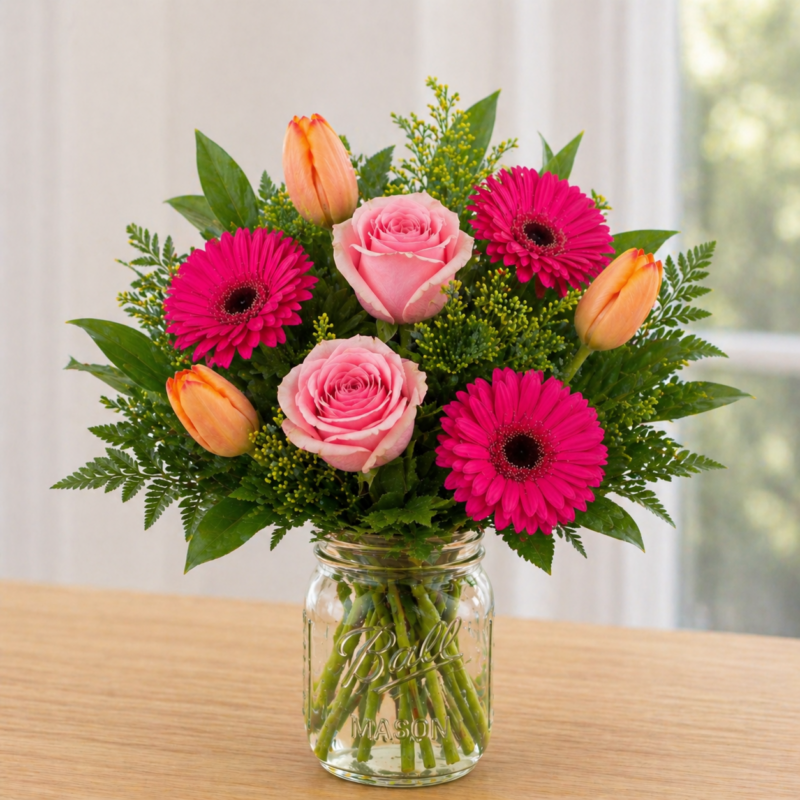
Choosing eco-friendly floral arrangements means selecting blooms that are locally grown, seasonal, and free from harmful chemicals, paired with sustainable packaging and low-impact delivery. A thoughtful flower bouquet can reduce waste, lower carbon footprint, and still feel beautiful and meaningful. By focusing on sourcing, materials, and longevity, gifting flowers becomes both elegant and environmentally responsible.
A bouquet often feels like the safest, most universal gift. Yet, a closer look reveals an uncomfortable detail. Many flowers travel long distances, rely on chemical treatments, and arrive wrapped in materials that outlive the blooms themselves. That contrast has led more thoughtful buyers to ask a simple question: Can something so beautiful be kinder to the planet?
The answer lies in how a flower bouquet is chosen, not just how it looks.
Rethinking What “Fresh” Really Means
Freshness is often associated with appearance: bright petals, crisp stems, and vibrant colors. But true freshness also includes how recently and responsibly those flowers were grown.
Eco-friendly choices prioritize:
- Local sourcing to reduce transport emissions
- Seasonal blooms that grow naturally without forcing conditions
- Minimal storage time, which preserves both quality and sustainability
A locally sourced flower bouquet often lasts longer because it hasn’t endured extended shipping or artificial preservation methods.
Seasonal Flowers: Nature’s Built-In Sustainability
Flowers that grow in their natural season require fewer resources. They don’t depend on energy-intensive environments or excessive water management.
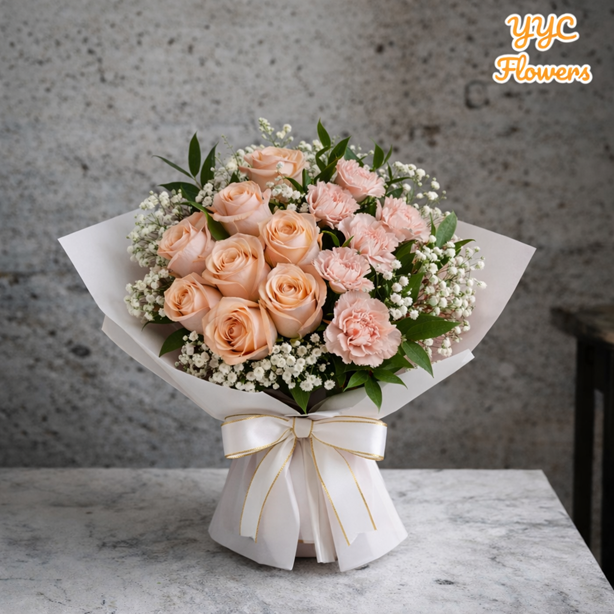
Choosing seasonal options offers several advantages:
- Stronger stems and longer vase life
- More natural fragrance and color intensity
- Reduced environmental strain during cultivation
A seasonal flower bouquet also feels more connected to the time of year, making the gift more meaningful without extra embellishment.
Looking Beyond the Blooms
Sustainability doesn’t stop at the flowers themselves. The materials surrounding them often carry the largest environmental impact. Traditional arrangements frequently include plastic wraps, synthetic ribbons, and floral foam—materials that do not break down easily.
Eco-conscious alternatives focus on:
- Recyclable or biodegradable paper wrapping
- Natural fiber ties, such as jute or cotton
- Reusable containers instead of single-use bases
A thoughtfully designed flower bouquet can look refined without relying on waste-heavy materials.
The Hidden Impact of Floral Foam
Floral foam is widely used to hold arrangements in place, but it poses long-term environmental concerns. It breaks into micro-particles that persist in ecosystems and cannot be composted.
Modern sustainable floristry avoids this by using:
- Natural supports like moss or branches
- Water-based arrangements without foam
- Structured designs that rely on stem placement
Choosing a foam-free flower bouquet is one of the simplest ways to reduce unseen environmental harm.
Local Growers and Shorter Supply Chains
Flowers that travel across continents often require refrigeration, preservatives, and protective packaging. Each step increases their environmental footprint.
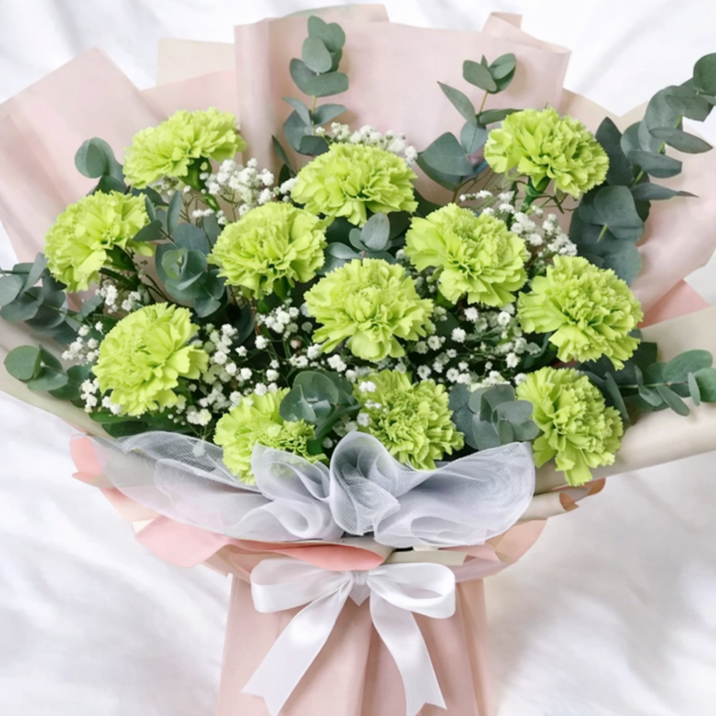
Supporting nearby growers offers a quieter, more impactful shift:
- Reduced fuel consumption from transportation
- Fresher blooms with fewer chemical treatments
- Stronger connection to regional ecosystems
A locally sourced flower bouquet carries a story of place, not just presentation.
Asking Better Questions Before Buying
Sustainable choices often begin with curiosity. A few thoughtful questions can reveal how eco-friendly a bouquet truly is.
Consider asking:
- Where were the flowers grown?
- Are they seasonal or imported?
- What materials are used for wrapping?
- Is the arrangement foam-free?
These questions shift attention from surface beauty to mindful selection, shaping a more responsible flower bouquet without sacrificing elegance.
Embracing Long-Lasting Alternatives
Not all bouquets need to fade within days. Some of the most sustainable options are designed to last longer or evolve over time.
Popular alternatives include:
- Dried flowers that retain texture and color for months
- Potted plants that continue growing beyond the occasion
- Mixed arrangements combining fresh and preserved elements
A long-lasting flower bouquet reduces repeat consumption while adding a different kind of charm.
Packaging That Doesn’t Outstay Its Welcome
One overlooked detail in floral gifting is packaging waste. Decorative layers often end up discarded within minutes.
Eco-friendly packaging focuses on simplicity and purpose:
- Minimal wrapping that highlights the flowers themselves
- Materials that can be reused or composted
- Designs that avoid unnecessary layers
A clean, intentional presentation enhances the overall impact of a flower bouquet without excess.
The Aesthetic Shift Toward Natural Design
Sustainable floristry has quietly redefined what beauty looks like. Instead of perfectly symmetrical arrangements, there’s a growing appreciation for organic shapes and textures.
These designs often feature:
- Wild, free-flowing compositions
- A mix of stems, grasses, and foliage
- Subtle color palettes inspired by nature
This approach makes each flower bouquet feel less manufactured and more authentic.
When Thoughtfulness Becomes the Real Gift
Eco-friendly floral gifting isn’t about limiting choices, but it’s about refining them. Each decision, from sourcing to wrapping, reflects a deeper awareness of impact.
A well-chosen bouquet can express care not only for the recipient but also for the environment that nurtured it.
For those seeking arrangements that balance beauty with responsibility, thoughtfully curated options from YYC Flowers offer a way to celebrate moments while staying aligned with sustainable values.
